
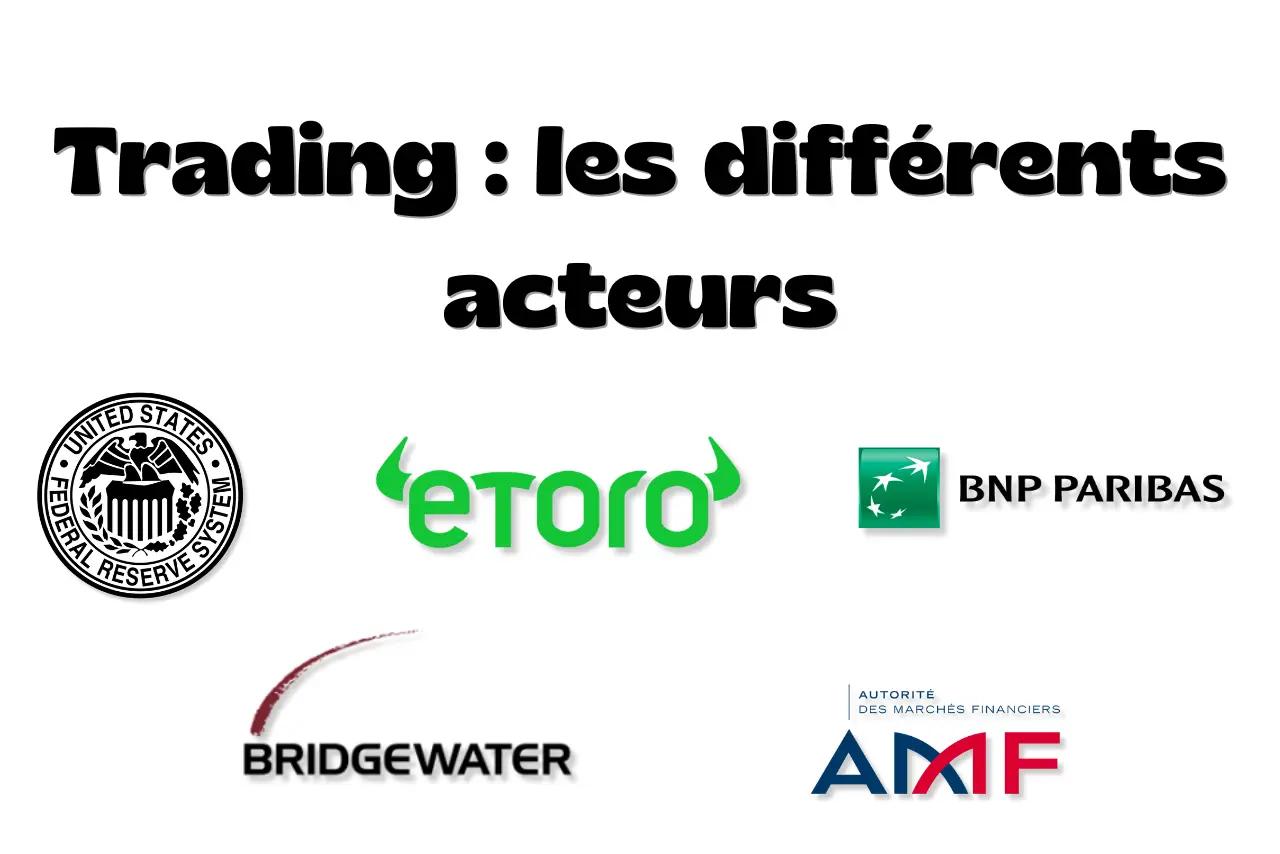
A financial market brings together many participants with different goals and roles.
Some seek funding, others invest capital, while intermediaries make it possible to route and execute orders.
Issuers in financial markets
Companies and governments use financial markets to obtain part of the capital they need.
A company can issue new shares to raise funds from investors.
It can also borrow in the bond market by issuing bonds.
Governments mainly use bonds to finance part of their spending and refinance existing debt.
When a security is first issued, the transaction takes place in the primary market.
Once it's in circulation, investors can buy and sell it among themselves in the secondary market.
A company can therefore be an important market participant without trading its own securities every day.
Investors
Investors provide the capital used, among other things, to buy securities issued by companies and governments.
They may invest for themselves or manage money for clients, policyholders or other beneficiaries.
Retail investors
Retail traders and investors participate with their own capital.
They can buy stocks, ETFs, bonds or use derivatives, depending on the markets their broker provides access to.
Retail investors generally don't connect directly to an exchange to send orders.
They use an intermediary to execute or route them.
Individually, their capital is generally too small to significantly affect the price of a liquid asset.
Collectively, though, retail investors can account for substantial volume in some markets.
Their behaviour also depends on their goals and time horizon.
An investor may hold a position for years, while an active trader may trade over days, hours or sometimes minutes.
These differences correspond to the main trading styles, such as swing trading, day trading and scalping.
Institutional investors
Institutional investors manage much more capital than most retail investors.
They include asset management companies, pension funds, insurers and sovereign wealth funds.
An asset manager invests entrusted money according to client mandates or the rules of its funds.
It may invest in equities, bonds, money-market products or several asset classes at once.
Pension funds invest capital intended to pay future pensions. Their investment horizon is often long.
Insurers invest part of the premiums they collect to meet future commitments.
Sovereign wealth funds manage state-owned capital and can also hold significant market positions.
These investors generally belong to what the industry calls the buy side.
They invest and manage capital for themselves or their clients.
Order size directly affects how they operate.
A manager needing to buy tens of millions of euros of a stock can't necessarily execute the whole position immediately without changing the average purchase price.
Large orders are therefore often spread over time or executed through several intermediaries.
Hedge funds
Hedge funds are private investment funds with generally more strategic freedom than traditional funds.
They can take long and short positions, use derivatives and leverage, or exploit price differences between assets.
Not every hedge fund trades short term.
Some hold macroeconomic positions for months, while others use quantitative strategies, arbitrage or approaches tied to events such as mergers or restructurings.
They're also part of the buy side, investing their investors' capital to generate returns.
Their influence mainly depends on position size, the liquidity of the assets involved and how their orders are executed.
Intermediaries and trading participants
Not all investors have direct access to the infrastructure where assets trade.
Several participants route orders, arrange execution or provide liquidity.
Brokers
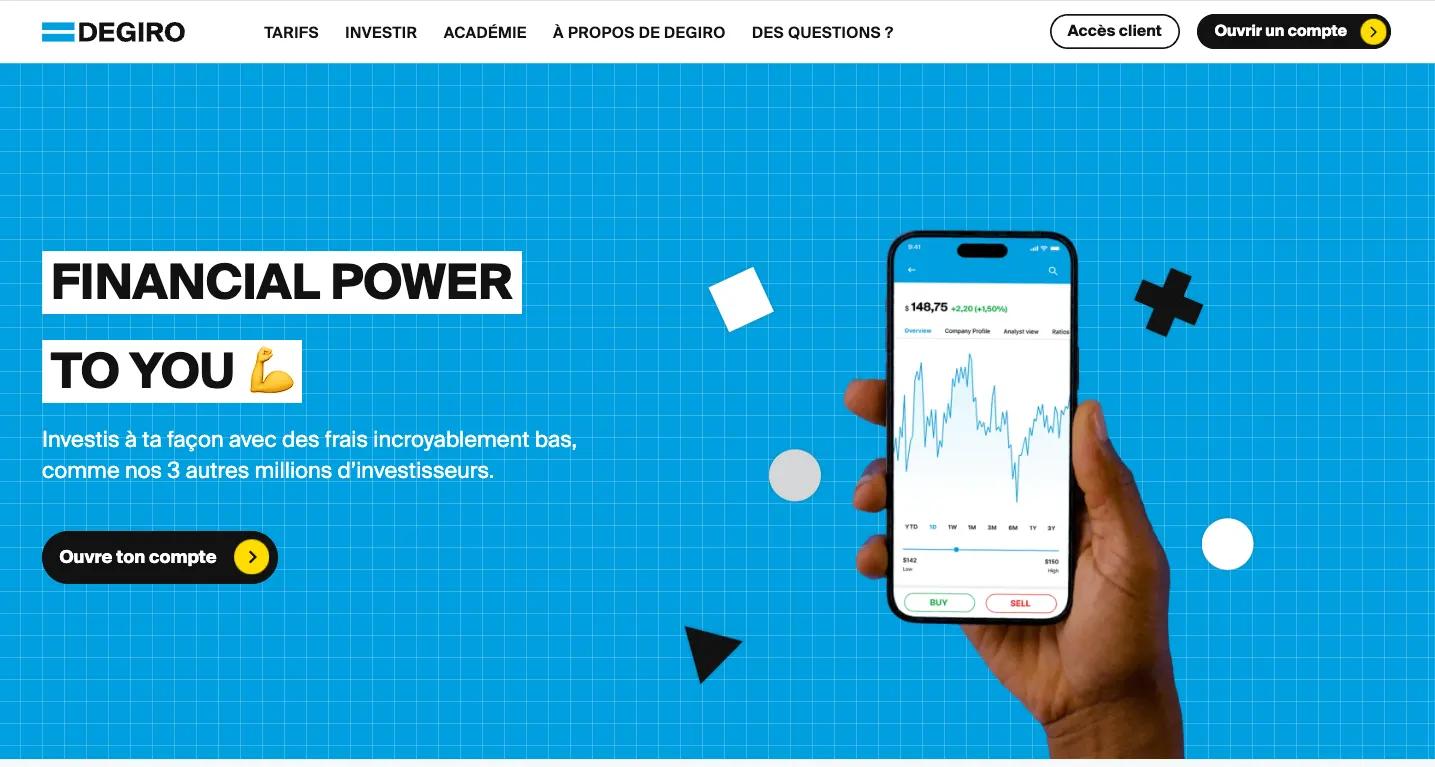
The broker is a key intermediary between retail investors and financial markets.
When you place an order on a platform, the broker receives it and either executes or routes it according to the product and its execution model.
An order may be sent to a trading venue or other liquidity providers.
Some intermediaries also internalise part of their clients' transactions.
The broker therefore determines which markets you can access and directly influences how your orders are routed and executed.
Investment banks
Investment banks mainly work with companies, funds and other institutional investors.
They may help a company issue shares or bonds, structure financial products and execute client transactions.
Some also run trading or market-making desks that quote prices and facilitate transactions in certain assets.
When a fund wants to buy or sell a large position, it may work with several banks or brokers to access more liquidity and reduce its price impact.
Investment banks generally belong to the sell side because they provide financing, execution and market services to investors and businesses.
They therefore often sit between companies seeking funding, institutional investors and the markets where transactions execute.
Market makers
Market makers provide liquidity by quoting prices at which they're willing to buy and sell an asset.
They generally display a bid and ask, making it easier for other participants to find a counterparty.
A market maker can be a bank, a specialist trading firm or another institution, depending on the market.
It doesn't simply take the opposite position to every trader and wait for them to lose.
It must continually manage the positions accumulated through its trades and may hedge some exposure with other participants.
Its presence increases available buy and sell quantities and helps orders execute when buyers and sellers don't arrive at exactly the same time.
Financial market infrastructure
Transactions need infrastructure so orders can execute and securities and money can then pass between the parties.
Exchanges and trading venues
Orders need to meet on infrastructure that organises execution.
Exchanges such as Euronext or Nasdaq organise trading in many financial instruments under defined rules.
They set trading hours, listing requirements and mechanisms for matching orders, among other things.
But not every transaction goes through a traditional exchange.
Some products trade on other platforms or directly between institutions.
In markets using an order book, resting buy and sell orders are ranked by price.
When a new order meets a compatible counterparty, a trade can execute.
The exchange therefore doesn't necessarily take the other side of the trade.
Its main role is to provide the infrastructure where participants can trade.
Clearing, settlement and custody
A transaction doesn't end when your platform shows the order as filled.
The securities still need to reach the buyer and the money the seller.
Clearing houses operate in certain markets to manage the parties' obligations and reduce the risk of a counterparty failing to meet its commitments.
Settlement then transfers the securities and cash.
Central securities depositories help record and safeguard financial securities.
Retail investors generally don't see this infrastructure, but it allows huge numbers of transactions to be processed without each buyer arranging the exchange directly with each seller.
Central banks and regulators
Central banks and regulators have different functions, but both shape the environment in which financial markets operate.
Central banks
Central banks implement monetary policy for their economic area.
The European Central Bank and US Federal Reserve can change policy rates or intervene in certain financial markets, among other measures.
A rate change affects financing costs and the expected return on many assets.
It can affect bonds, stocks, currencies and investors' decisions more broadly.
Central banks may also buy or sell assets as part of monetary policy.
Their influence therefore comes both from direct action and the expectations their decisions create among other participants.
Regulators

Regulators oversee financial participants' activities.
France's Autorité des marchés financiers and the US Securities and Exchange Commission supervise parts of the activities involving financial markets and products.
Their responsibilities include investor protection, supervision of regulated participants and tackling prohibited practices such as price manipulation and insider dealing.
Applicable obligations vary by activity and country.
A broker, asset manager, bank and exchange therefore don't follow exactly the same rules.
Regulators don't directly determine asset prices, but their decisions can change the conditions under which other participants operate.
