
When we talk about financial markets, we often think of stocks, cryptocurrencies or Forex.
But there are several types, and each works differently.
What is a financial market?
A financial market is a place where buyers and sellers of financial products meet.
Some of these markets are tightly regulated. Others operate more freely.
They allow companies to raise funding, governments to manage debt and investors to put their money to work.
The different types of financial markets
Financial markets can be divided into five main categories:
- Interest-rate markets
- Currency markets
- Stock markets
- Commodity markets
- Cryptocurrency markets
Interest-rate markets
Interest-rate markets cover financial products linked to interest rates, such as government bonds, corporate borrowing and interbank loans.
When a bank lends you money for a mortgage or pays interest on your savings account, it uses this market to set its rates.
You're participating in this market without even realising it.
It's also where governments borrow to fund public spending.
Currency markets: Forex
The currency market, also called Forex, short for foreign exchange, is where the world's currencies are traded.
Trillions of euros flow through it every day.
Banks, businesses and investors buy and sell currencies as exchange rates change.
You participate without realising it too.
For example, when you travel to Japan and pay in yen with your bank card, your euros are automatically converted into yen through this market.
The transaction is instant, but behind it lies a huge network of exchanges between banks and financial institutions.
Stock markets
The stock market, also called the equity market, is where shares in publicly listed companies are bought and sold.
A share represents a fraction of a company's capital.
As a shareholder, you may receive dividends if the company makes a profit and, in some cases, take part in decisions at shareholder meetings.
Major companies such as Tesla, Carrefour, Amazon and Google are listed, and their shares trade on this market every day.
Commodity markets
Commodity markets cover the buying and selling of natural resources.
They fall into three main categories:
- Precious metals: gold and silver
- Energy: oil, gas and electricity
- Agricultural products: wheat, cocoa, coffee and corn
This is one of the oldest financial markets.
Before money existed, ancient civilisations were already bartering these resources.
Today, transactions mainly take place online through standardised contracts or specialised digital platforms.
Cryptocurrency markets
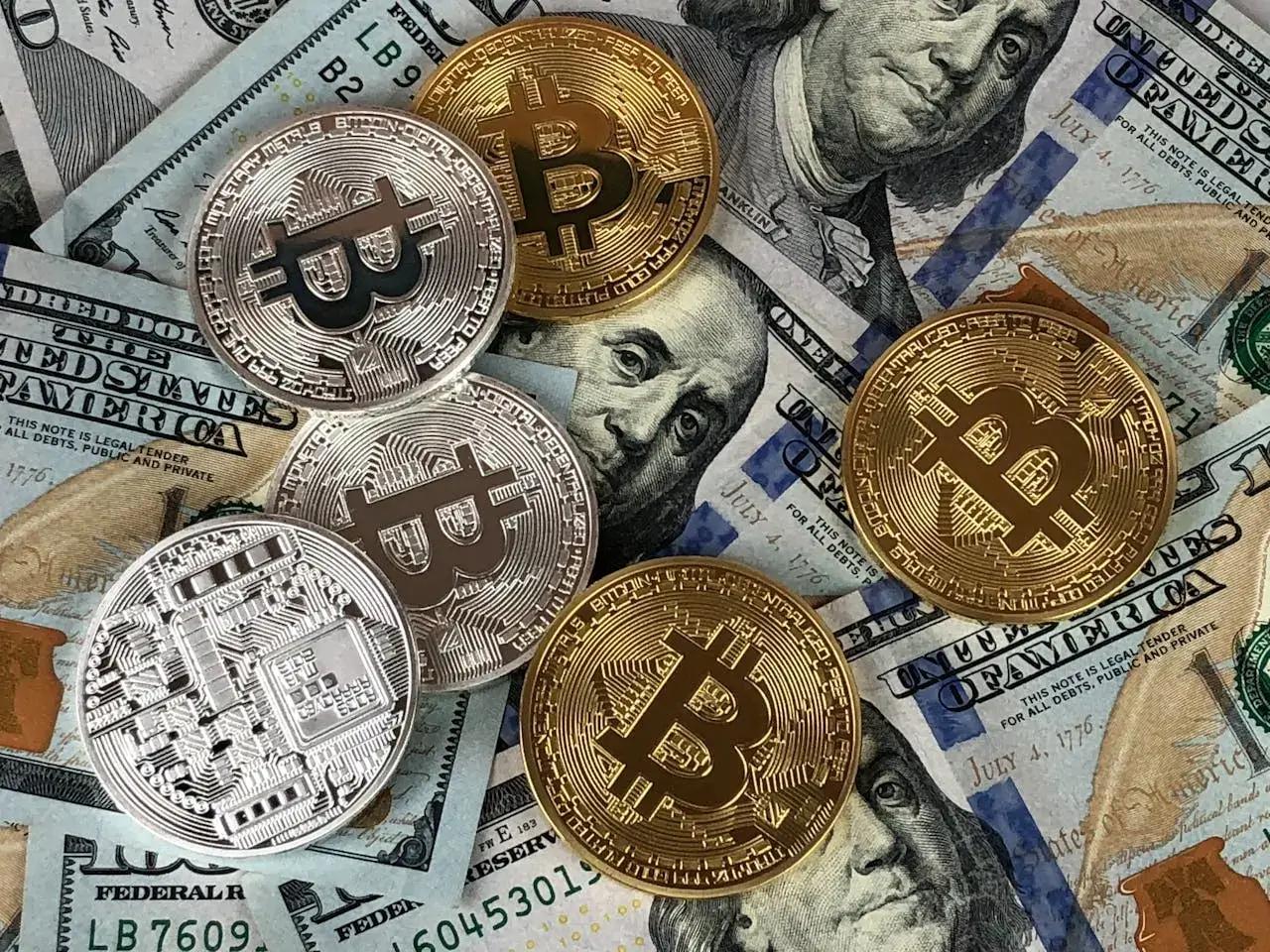
Cryptocurrency markets involve trading digital currencies such as Bitcoin (BTC) and Ethereum (ETH), which operate without a banking intermediary.
This is the newest financial market.
Unlike traditional currencies, cryptocurrencies are secured through cryptography and use a technology called blockchain.
This market attracts both long-term investors and speculators.
Cryptocurrencies offer alternatives to traditional financial systems and allow fast transactions, often without going through a bank.
Exchange-traded and over-the-counter markets

When you want to buy or sell a financial asset, you have one more choice to make: use an organised exchange or an over-the-counter (OTC) market.
- An organised exchange is overseen by regulators, offering more security, transparency and liquidity
- An OTC market offers more flexibility, but less oversight and sometimes more risk
Organised exchanges
Organised exchanges are structured and subject to strict rules designed to provide a stable environment for investors.
A stock exchange is one example.
Shares and some derivatives, such as futures contracts, trade under precise, standardised rules.
This framework offers several advantages:
- Transparency lets you follow transactions in real time
- Strict controls improve security and protect investors against fraud
- Liquidity is high
Over-the-counter markets
Unlike organised exchanges, OTC markets operate without a central regulator.
Transactions take place directly between buyers and sellers, without going through an official venue such as a stock exchange.
This way of trading allows participants to operate without geographical or opening-hour restrictions.
CFDs are one example: the transaction takes place directly between the trader and the broker.
Prices and terms are freely negotiated, which can suit people looking for tailored agreements or less common assets.
But that flexibility comes at a cost.
Without a strict framework, risks are greater: prices can be less transparent, liquidity lower and counterparties less reliable.
