
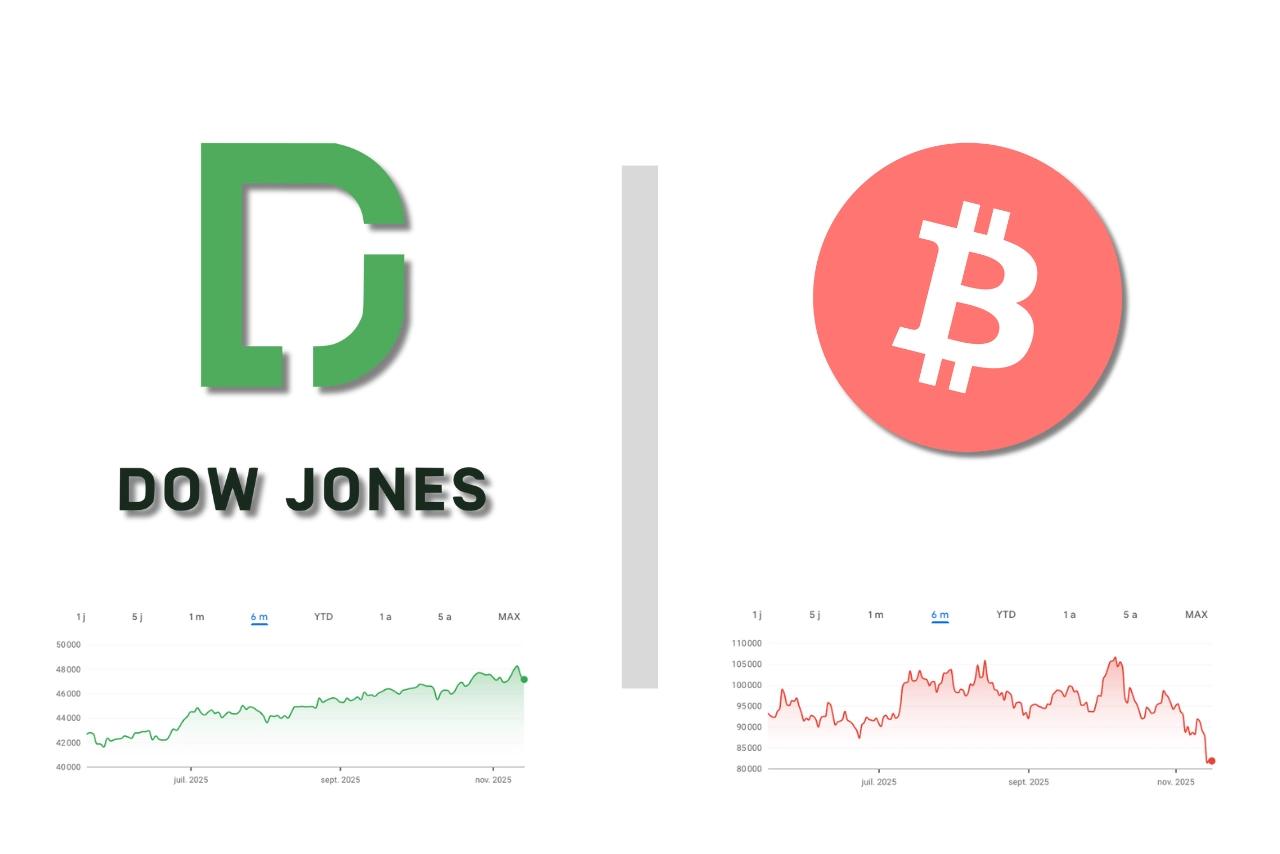
Traditional markets are bullish, while crypto is bearish.
Let me explain the current situation and give you my take.
What’s happening in France?
French markets make it look as though everything is fine. The CAC 40 is at an all-time high.
You might think that reflects a healthy French economy, but not necessarily.
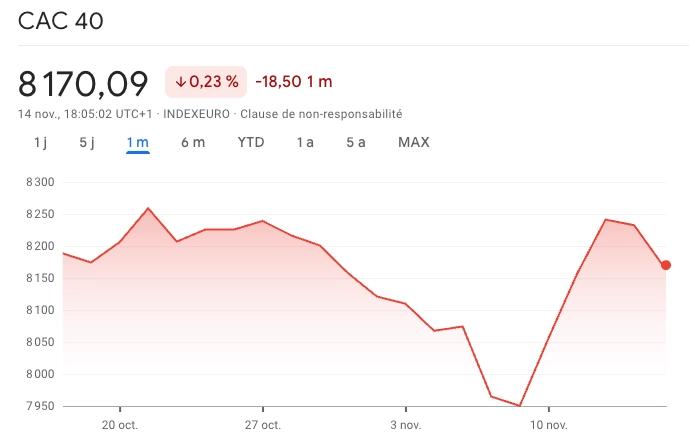
The rally mainly reflects the fact that CAC 40 companies have become global groups. They no longer depend solely on activity in France.
Much of their growth, sales and profits come from abroad.
So yes, the index of major French companies is rising. That doesn’t mean the French economy is moving at the same pace.
According to Le Monde, around 77% of CAC 40 companies’ employees work outside France.
That shows how closely the index’s performance is tied to the whole world, not just France.
There is an impact on the French economy, but it’s more limited than the rising index might suggest.
What about the United States?
A similar logic applies in the US.

Markets are holding up fairly well, but the real economy isn’t as strong as you might think.
There too, a few giants, mainly in AI and tech, are pulling the indices higher.
Then there’s the 43-day federal shutdown that has just ended, the longest in US history.
It was a political disagreement over the budget, a little like what’s happening in France, except in the US it directly shuts down parts of the government.
Around 750,000 federal employees were furloughed or worked without pay during that period.
The US economy is estimated to have lost nearly $11 billion in activity, some of which will never be recovered.
Is crypto really in a bear market?
Traditional markets can give the impression that everything is holding together, despite the problems I’ve just mentioned.
Paradoxically, crypto is doing the opposite, with real declines, almost a mini bear market.
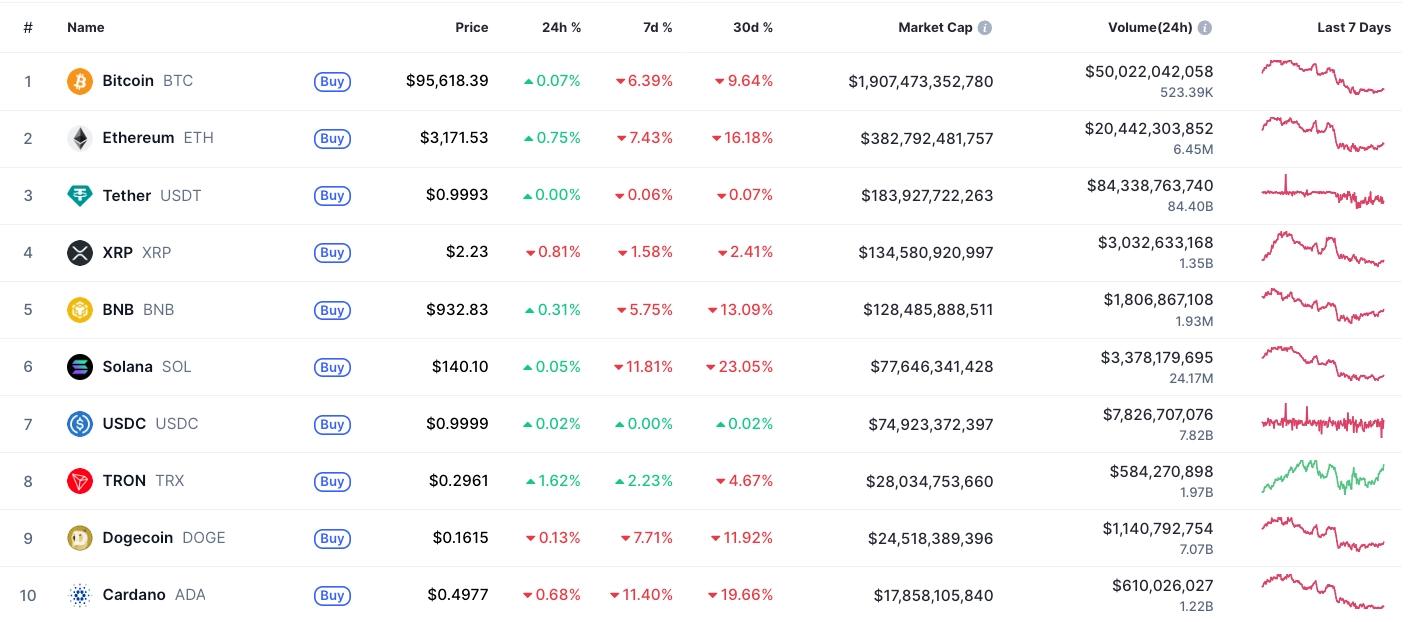
How do we explain it?
Part of it comes down to investor behaviour, especially among institutions, which are getting better at assessing crypto risk relative to traditional markets.
Even if indices are rising, the economic foundations remain fragile. Investors see that and adjust their positions.
The result makes sense: they cut the most volatile or risky exposure first. That means crypto...
And let’s not forget how much US developments matter to crypto.
Right now, the Fed is in a difficult position. It would like to cut rates, but inflation isn’t low enough yet and the jobs market isn’t in great shape.
That uncertainty alone is enough to scare investors.
There’s another factor: investment rotating between sectors.
At the moment, AI, tech and related companies are attracting money. Just look at the IPO and deal figures.
Investors follow attention and capital flows, while the crypto hype has cooled a little since the latest peaks.
My overall view is that crypto itself isn’t doing badly.
It’s mainly that, given the current mix of rates, inflation, employment and rotation towards AI, it’s a lower priority in investors’ allocations.
But I have no doubt that’s temporary.