
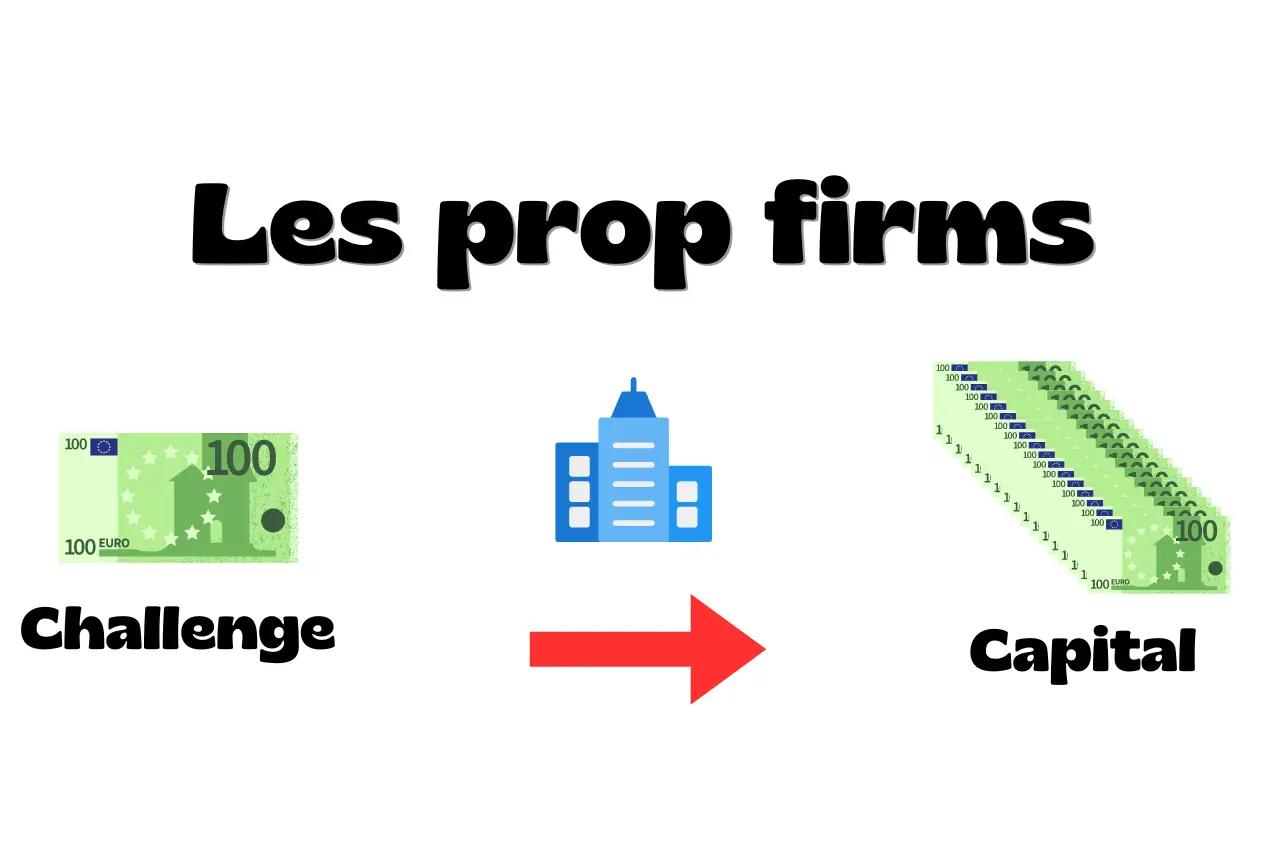
Prop firms promise to fund your trading so you can use their capital without risking the full amount yourself.
A scam or an opportunity?
Let's take a closer look.
The advantages of prop firms
Access to a large account
Prop firms give you access to large trading accounts.
While you might have only €1,000 in a personal account, a prop firm may offer an account labelled €100,000 or even €1 million.
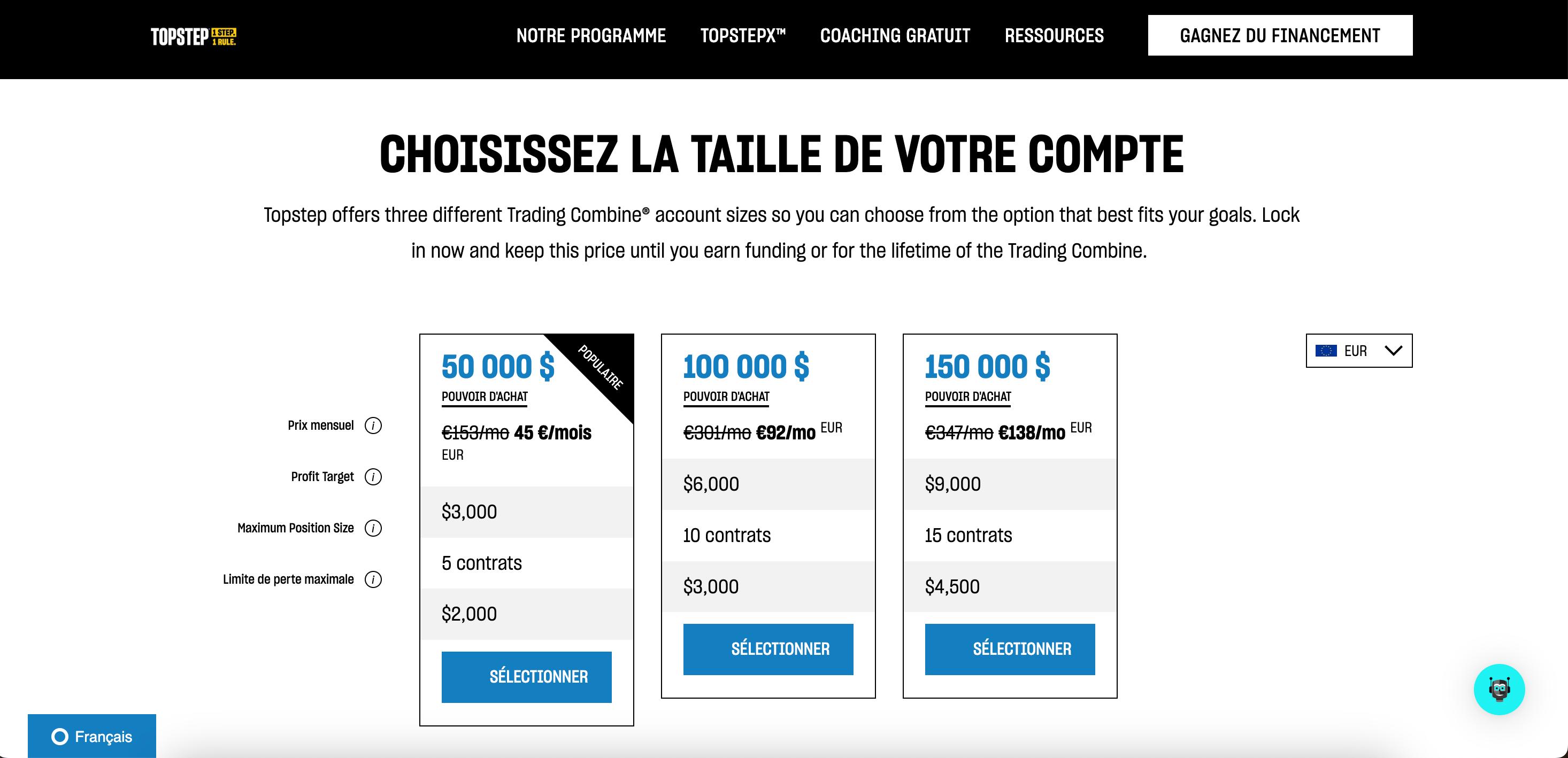
That difference changes the potential returns: a larger account can produce much larger gains.
A trade that would have earned €50 on your personal capital could produce €5,000 on the larger account.
An argument that could convince just about anyone.
Limited personal capital at risk
One of the main attractions is that you do not risk the account's full capital yourself. Your own money at risk is the fees you pay, including the initial challenge fee.
Trading losses on the prop account are not the same as losses from your personal bank account.
Imagine a bad trading day with a €10,000 loss:
- On your own account, that could be devastating
- On a prop account, you do not personally owe that trading loss, although you may lose the account and the fees paid
This is meant to reduce financial pressure and let you trade without putting the headline account amount at risk personally.
The disadvantages of prop firms
The capital is often simulated
Even after you pass a challenge and receive a funded account, you may still be trading simulated capital.
In the standard retail model, you remain on a demo account.
Yes, really...
You didn't think a company was just going to hand €100,000 to a stranger with no strings attached, did you?
This matters because profits on a simulated account do not automatically create profits for the firm.
Calling it "profit sharing" is, to me, a marketing lie: on a simulated account, the firm isn't sharing profits your orders actually made in the market.
When you request a payout, the firm has to fund that payment.
Some firms do allocate real capital, but access to live funding is less common and their selection process can be demanding.
You need to be profitable
The advantages disappear if you are not a profitable trader.
That's the big trap in this system.
Prop firms attract traders with the prospect of quick gains and large account sizes.
Historical figures attributed to MyForexFunds illustrate the difficulty:
- 2.4% of participants passed their challenges
- Of those, only 3% reached their first withdrawal
In those figures, fewer than 1% of challenge participants received even one payout.
But who wouldn't rather trade with €200,000 than €1,000?
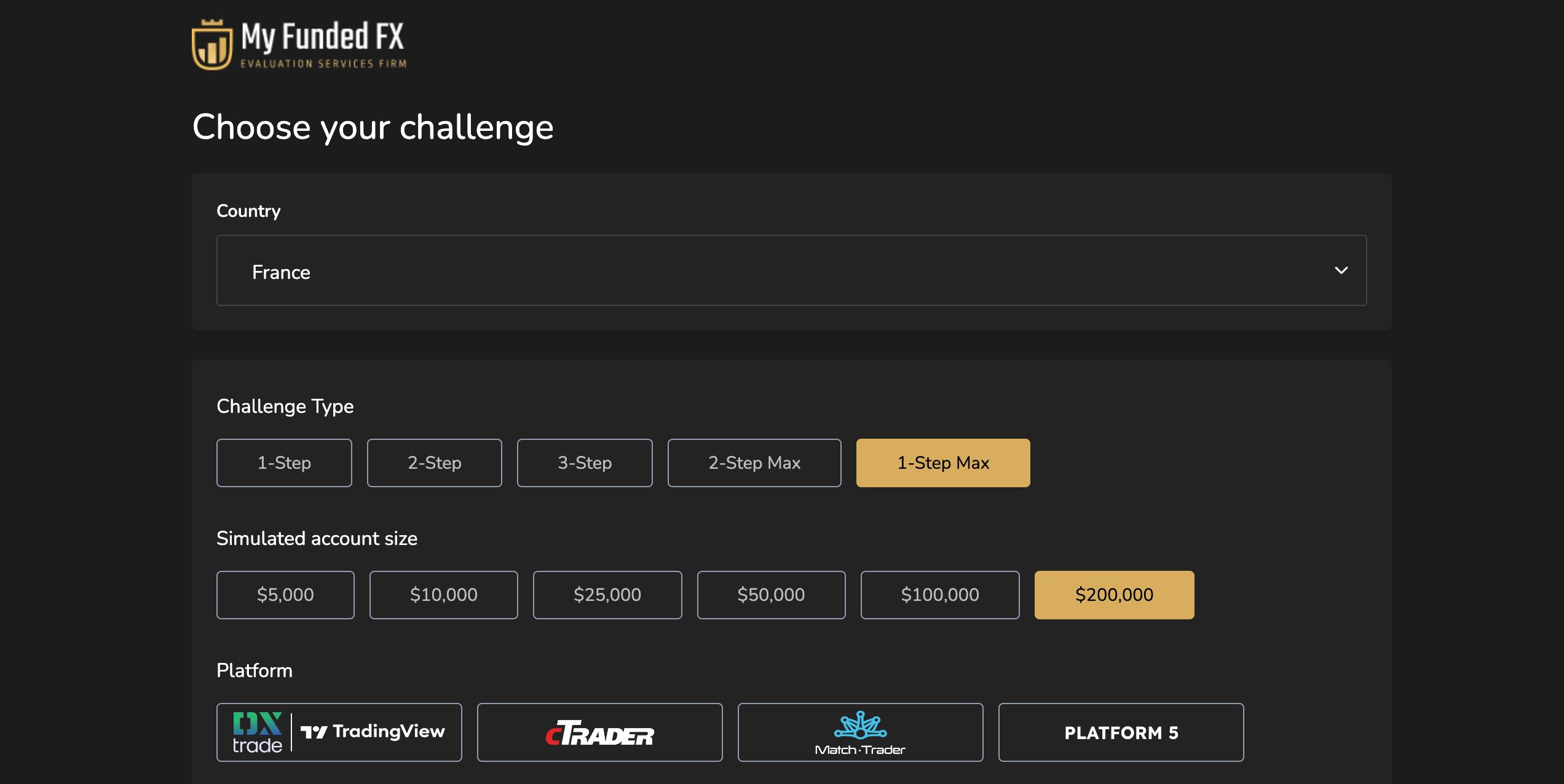
The French AMF's study found that around 90% of retail CFD and Forex traders lost money. Access to a larger account does not fundamentally change the need for a profitable method.
If you are not profitable with your own money, a prop firm is unlikely to change that by itself.
Challenges cost money and are difficult
Challenges are a substantial barrier to funded accounts.
The cost is significant: depending on account size, an attempt can cost from €50 to more than €1,000.
That cost multiplies if you need several attempts, as many traders do.
Beyond the cost, challenge targets are often ambitious.
For example, you might need to make 10% in a month while never exceeding a 5% loss limit.
Such requirements can be much stricter than the conditions professional traders work under.
Rules that look reasonable initially can be very difficult to follow consistently.
They create a restrictive environment that differs considerably from trading an unrestricted personal account.
Many beginners only realise this after losing time and money.
To "solve this problem" (I'm using quotation marks deliberately), some prop firms offer funded accounts without a challenge.
Funded account rules are very strict, sometimes too strict
Even if you pass, the real challenge starts once you receive the funded account.
Rules remain strict and may be stricter than during the evaluation.
Daily loss limits, monthly profit requirements, restrictions on particular trading strategies and other conditions may apply.
A bad run of trades can cost you the account.
Some firms also have rules allowing them to close accounts for insufficient activity or performance.
Psychological pressure
Trading a funded account can create intense pressure.
Fear of losing it can distort your decisions. You may take too much risk to reach the targets, or become overly cautious and miss valid opportunities.
Why some traders think prop firms are a scam
A business model that works against your interests
A firm earning revenue from challenge fees can benefit when traders fail evaluations or lose funded accounts.
Challenge fees are a source of revenue for the firm.
If you pass and remain profitable, it must pay you.
If you fail, it keeps the challenge fee.
This creates a model in which a firm can be profitable even when most of its traders are not.
It can rely on volume: many traders paying for challenges, with relatively few succeeding over time.
When you do withdraw, taxes also matter.
For French tax residents, I explain payout reporting in my guide to prop firm taxes in France.
The headline account size is misleading
The advertised account size is not the amount you can afford to lose.
Your usable risk budget is the maximum loss allowed.
For example:
- The funded account is labelled €100,000
- The maximum loss allowance is 10%
You don't need to be good at statistics to see that you have €10,000 of room for losses, not €100,000.
You depend on the firm
Prop firms may change their rules, potentially putting your account at risk if you miss or misunderstand a change.
It can feel like an employer changing your contract every Monday.
And as if that weren't enough, the firm can close too.
That may put both the account and unpaid gains at risk.
MyForexFunds' closure amid regulatory proceedings illustrates how a major firm's operations can stop suddenly.
My experience with prop firms
I've personally tested several prop firms. And I have to say, my experience has been mixed.
On the one hand, I've passed challenges and traded funded accounts.
That has let me earn amounts I could not have generated with my own capital, and I continue to use prop firms.
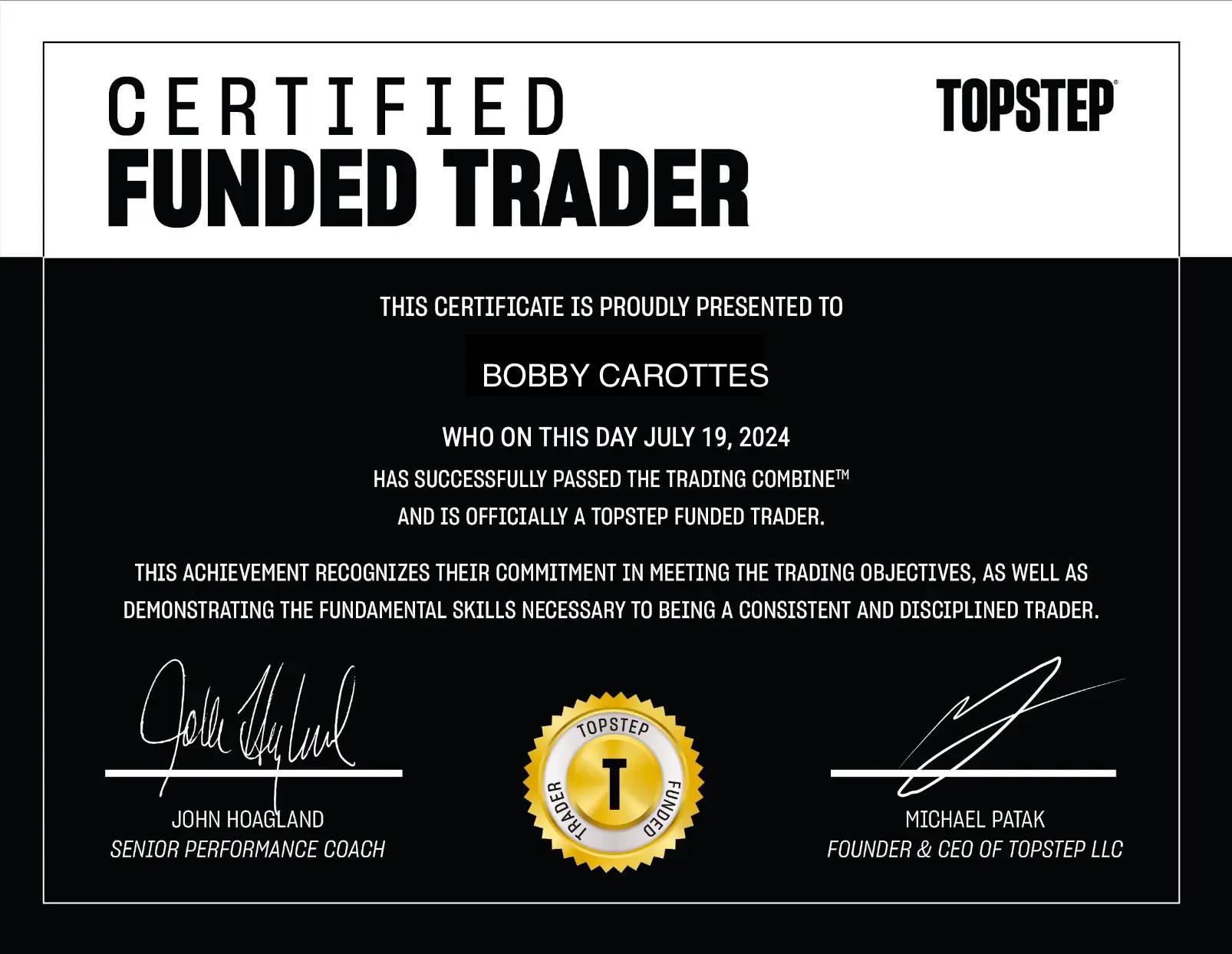
But on the other hand, the strict rules sometimes push me into decisions I wouldn't make with my own money.
Not to mention the sudden rule changes that have caught me out and cost me several funded accounts...
Scam or opportunity?
The answer isn't as simple as yes or no:
- Some questionable firms take advantage of inexperienced traders
- Others are serious businesses offering real opportunities
Research the firm carefully before paying.
Don't jump at the first tempting offer you see on Instagram.
If you're not already profitable with your own capital, a prop firm isn't going to magically turn you into the Wolf of Wall Street.
Prop firms can be a good tool for experienced, profitable traders. But they're not a magic way to get rich at the snap of your fingers.
If the model suits you, the next step is to choose a firm that fits your profile and compare the offers before spending anything.
Image sources: Topstep, MyFundedFX.
