
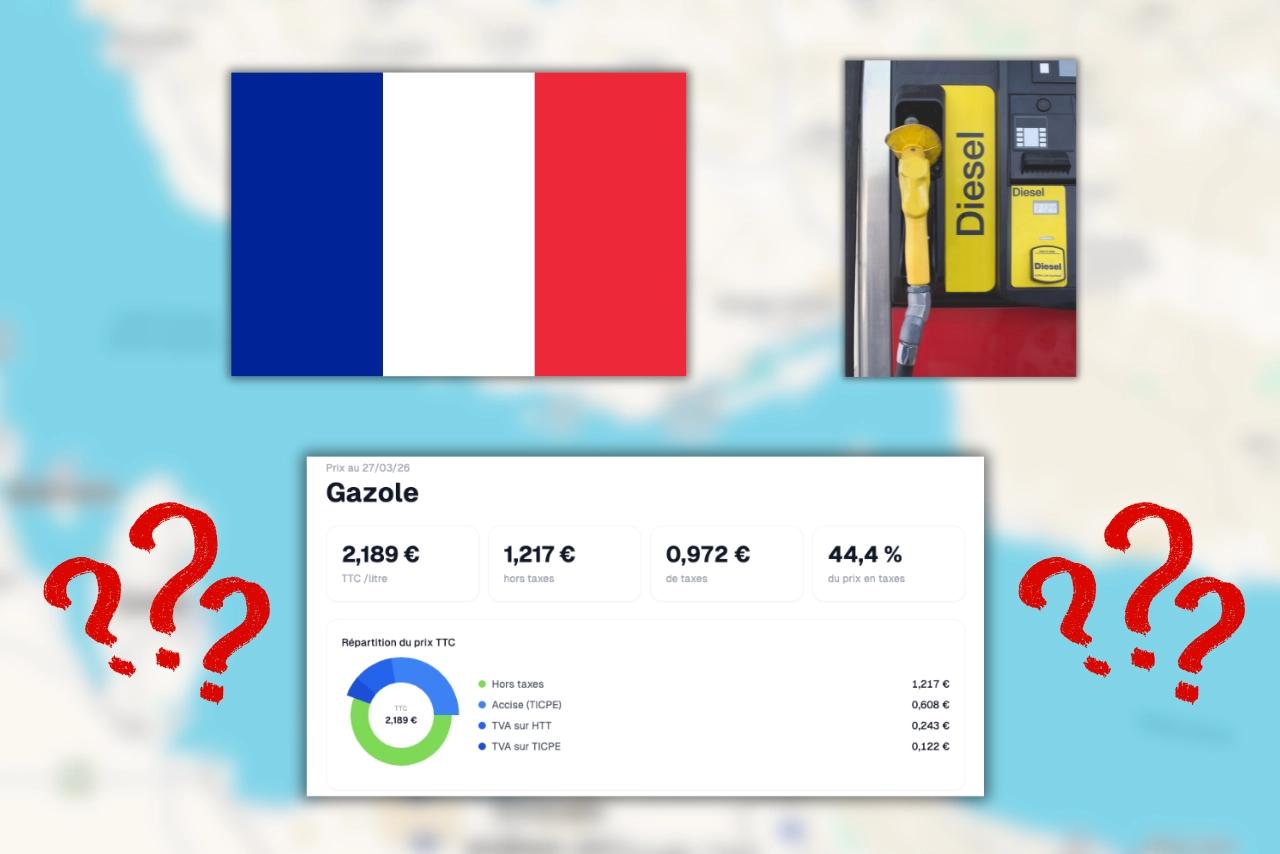
We’ve all noticed that the news is dominated by war and rising fuel prices.
Instead of commenting on Donald Trump’s announcements yet again, I thought it would be more useful to understand why people in France pay so much to fill up.
I started by building a tool to visualise the breakdown of fuel prices in France.
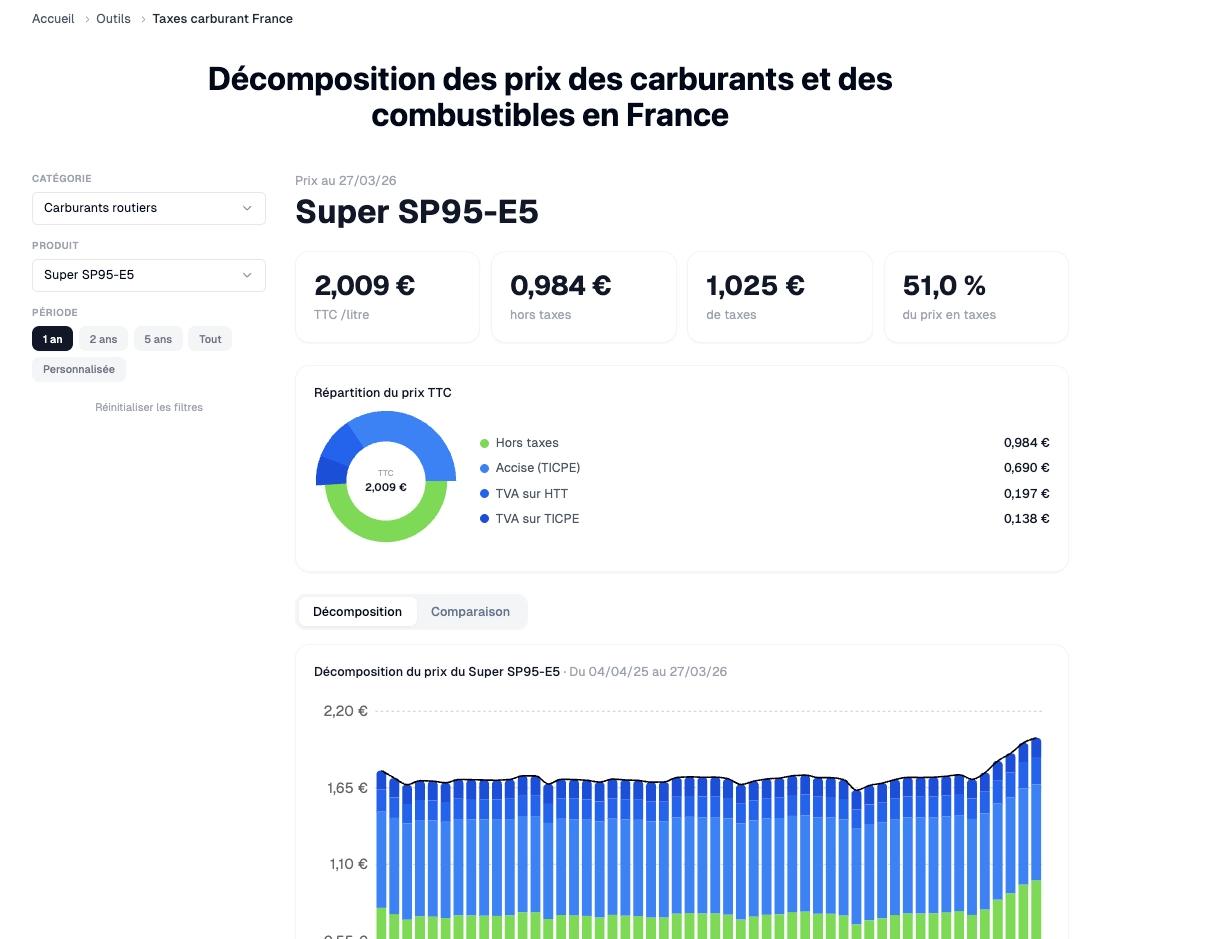
Seeing the breakdown already helps explain what we’re paying for.
But what really interested me was why the price is structured that way.
France’s reliance on imported oil
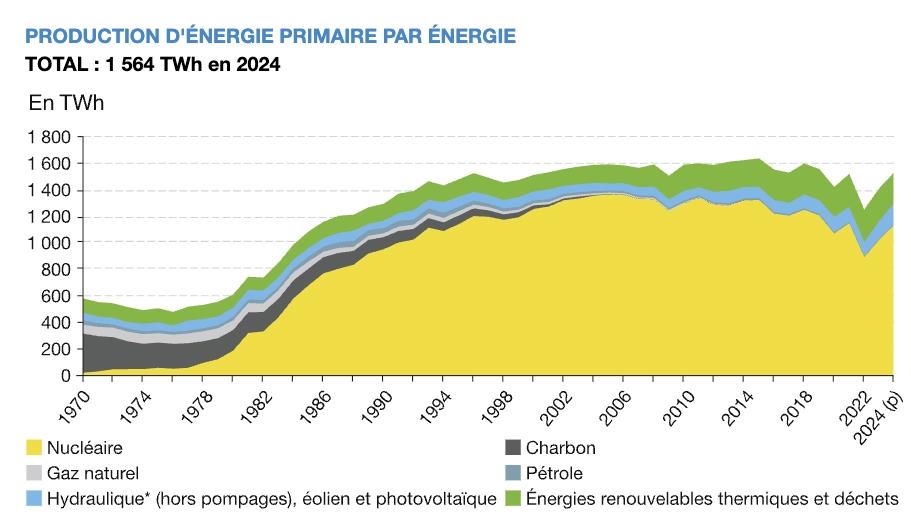
France produces almost no oil anymore.
It relies mainly on imports, which cover around 99% of consumption.
According to the ministry’s latest data, North America became France’s largest source of imported crude oil in 2024, accounting for 23% of the total.
Sub-Saharan Africa followed at 21%, then North Africa at 17%.
The rest came from regions such as the Middle East, Eastern Europe and other smaller suppliers.
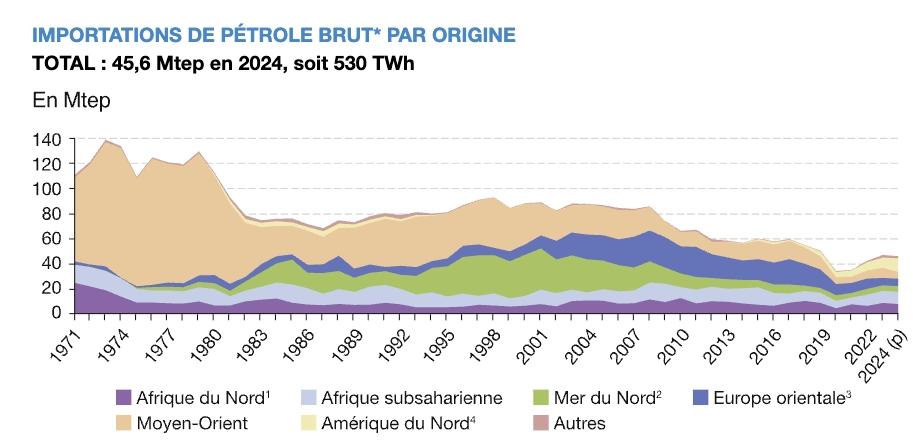
Seeing those figures, I asked myself a fair question, probably the same one many other people in France have asked:
If most of France’s oil doesn’t come from the Middle East, why do our prices rise so much when tensions flare there?
Because France doesn’t buy oil at a "local" price.
It buys on a global market.
Oil isn’t priced through a simple system where each country pays mainly according to where its barrel comes from.
Benchmarks such as Brent provide a reference for the market.
So when a crisis affects an area as important as the Strait of Hormuz, the whole market anticipates pressure on supply, shipping or future deliveries.
If the market expects oil to become scarcer, or simply harder to transport, the price rises for everyone.
Including France, even if its oil comes from the US, Africa or elsewhere.
It’s also worth clarifying that the pre-tax pump price isn’t just the cost of crude oil.
It includes:
- Refining
- Transport
- Storage
- Distribution
- Margins
But crude remains a major part of the final price, so a rise in the global market still feeds through to what you pay at the pump.
That’s why French prices can rise sharply even without an immediate shortage at petrol stations.
Now let’s look at what makes the bill even more noticeable for drivers: taxes.
Why taxes make up so much of the fuel price
Fuel excise duty, formerly TICPE
The main fuel tax is still often called TICPE, short for taxe intérieure de consommation sur les produits énergétiques, the domestic consumption tax on energy products.
That’s the name everyone still uses, even though it is legally an excise duty on fuel.
It isn’t calculated as a percentage of the oil price. It’s a fixed amount set by a schedule for each type of fuel.
The government therefore takes a set sum for every litre of petrol or diesel released for consumption.
For SP95-E5 petrol, that’s currently around 69 cents per litre, compared with around 61 cents for diesel.
That also explains why a fall in crude prices doesn’t always show up at the pump: this portion of tax doesn’t automatically fall with it.
VAT
VAT is the second major fuel tax.
It applies not just to the fuel’s pre-tax price, but to that price plus the excise duty already added.
In mainland France, VAT on petroleum products is 20%.
In Corsica, it’s 13%.
It doesn’t apply in overseas territories, though other local levies exist.
Why are these taxes so high?
Officially, fuel taxes are high for two reasons:
- Budget revenue: these taxes bring in substantial funds for public finances. Historically, that was why they were introduced
- The environmental argument: making fossil fuels more expensive discourages use and makes consumers bear some of their environmental cost
That’s also what makes the subject controversial.
Because the tax accounts for a large share of every litre’s price, many people see it as a source of revenue first, and a climate policy tool second.
Note: this analysis is an attempt to explain the subject using public sources. It reflects my personal understanding at the time of publication and may contain errors, imprecisions or simplifications.