
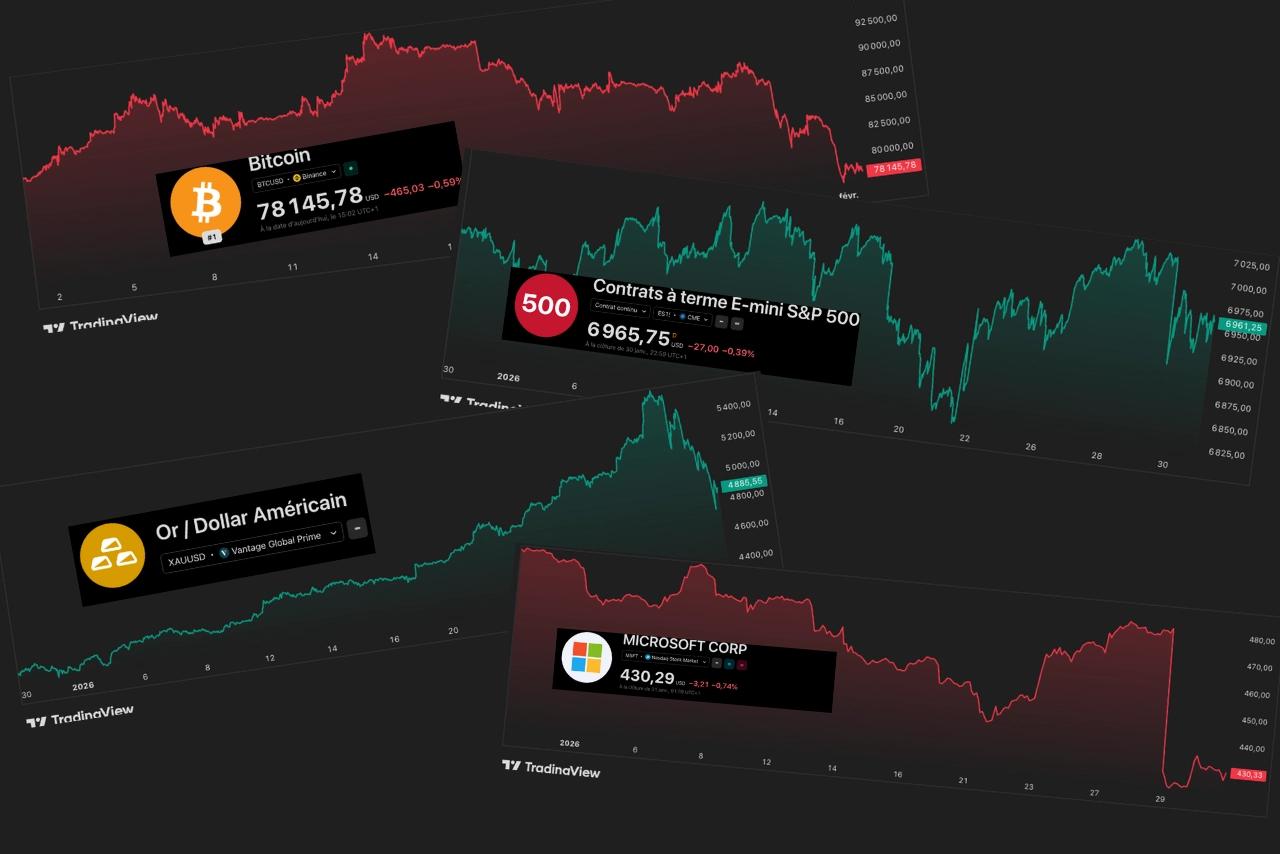
Like every Sunday morning when I sit down to write my newsletter, I started by typing "Bitcoin price" into Google.
First, I was surprised...
Then I searched for a few more things: gold price, S&P price, Microsoft share price.
At that point, I figured something bigger must have happened since the start of the week.
So I did some digging. Let me explain, so you can understand what’s been going on too.
International tensions
For several weeks, international tensions have been weighing on financial markets.
The latest major episode involved the United States and several European countries over Greenland, around 19 January.
That uncertainty was enough to unsettle investors:
- Both European and US markets fell
- As often happens, crypto followed without needing another reason
You know the rest: falling crypto prices often trigger liquidations, which drive prices down further.
Negotiations over Greenland
When Donald Trump’s America has its demands rejected, the pattern is often the same: tariff threats and hints at the use of force.
In many cases, the threats alone are enough to bring the countries involved to the negotiating table.
So NATO and the Trump administration met in Davos on 21 January.
They reached an agreement on US military access in the area.
Markets reacted positively, with optimism returning.
Crypto has had a harder time. It struggled to recover and still hasn’t found real momentum.
The Fed’s decision
The FOMC meetings took place on 27 and 28 January. The Fed decided to leave its policy rates unchanged.
The reasons were familiar: inflation is still high, and the political backdrop is uncertain.
Nothing particularly unexpected there.
The next Fed chair is nominated
On Friday 30 January, Donald Trump announced on his social network that the next Fed chair would be Kevin Warsh, a supporter of lower policy rates.

Like many people, I initially thought this would support riskier assets.
But that’s not what happened...
Kevin Warsh also supports shrinking the Fed’s balance sheet.
That’s where the misreading happened: lower rates don’t automatically mean more liquidity if the central bank is also withdrawing money through its balance sheet.
In this context, the market focused on the prospect of less liquidity in the short term.
The result was extra pressure on liquidity-sensitive assets, including crypto.
So the fall in prices followed fairly naturally.
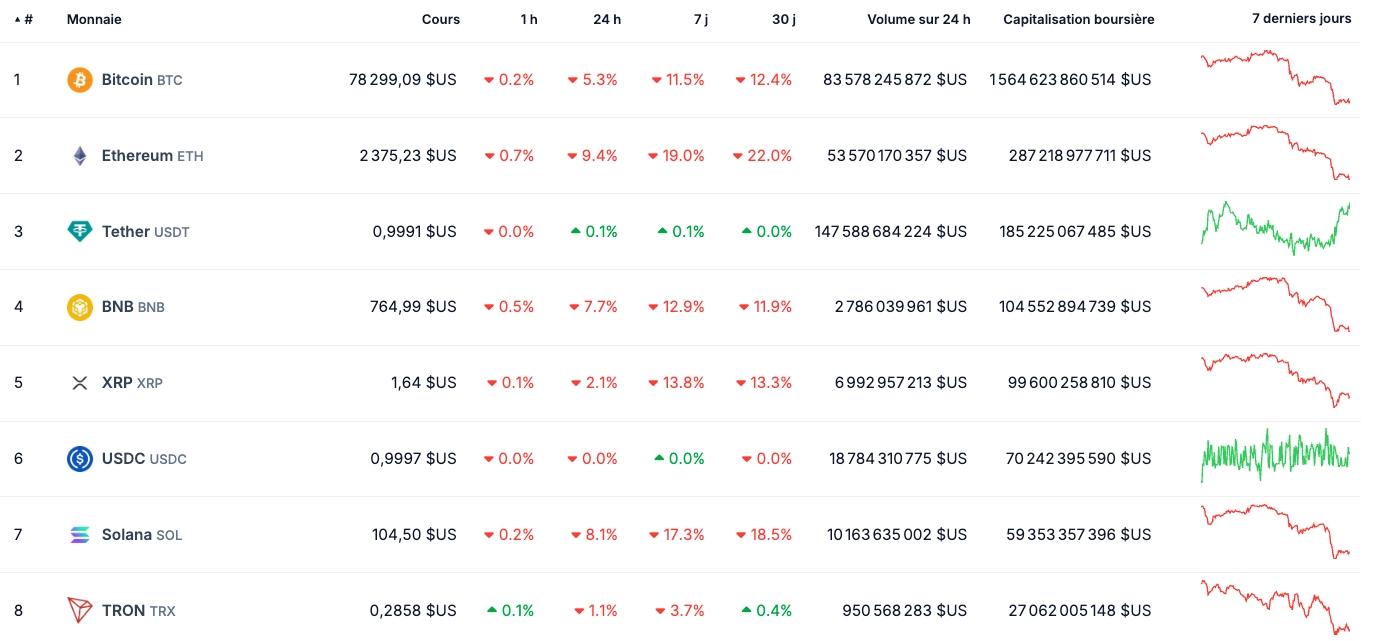
There you go. Now you know as much as I do.
I’ve deliberately simplified some explanations and interpretations to keep this an enjoyable read.