
What is a pip, and what is it used for?
A pip, short for "point in percentage", is the smallest price movement used in Forex. It measures changes in currency pairs.
You use it to calculate profits and losses, adjust your position size and keep better control of your risk.
How the size of a pip varies
In Forex, a pip represents a specific price change depending on the currency pair:
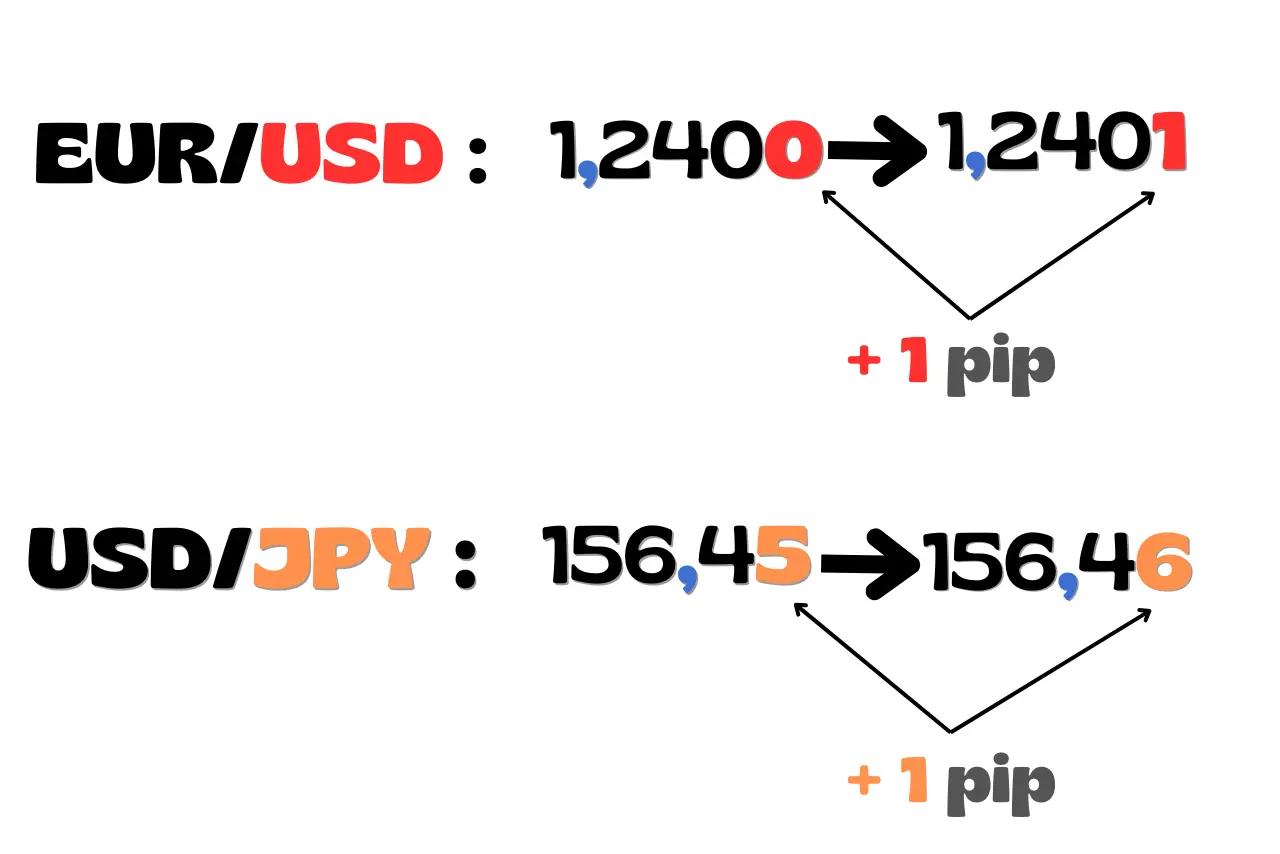
- Standard pairs, such as EUR/USD and GBP/USD: 1 pip = 0.0001, the fourth decimal place
- Japanese yen pairs, such as USD/JPY and EUR/JPY: 1 pip = 0.01, the second decimal place
| Instrument | Size of one pip |
|---|---|
| Forex, standard pairs | 0.0001 |
| Forex, JPY pairs | 0.01 |
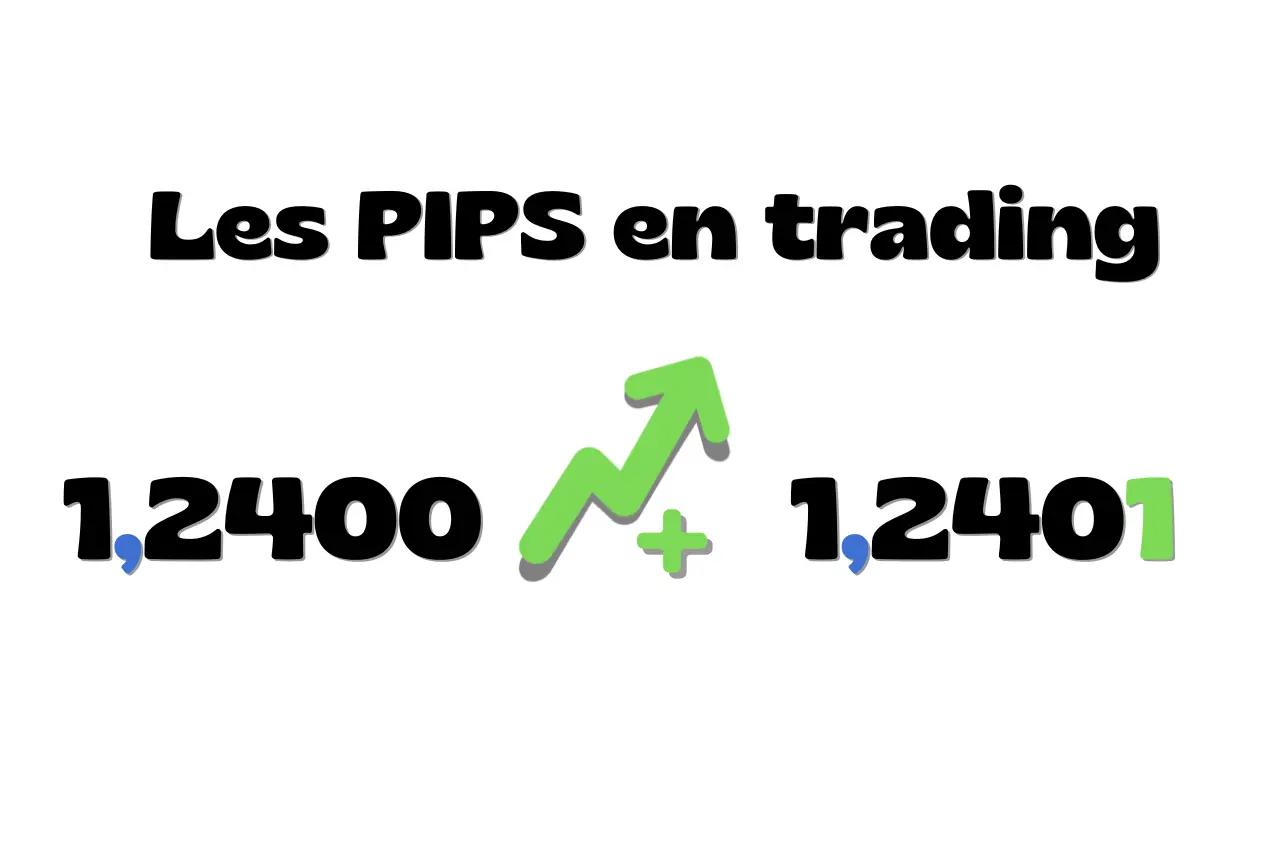
For example, if GBP/USD moves from 1.2400 to 1.2401, it has risen by 1 pip.
If EUR/JPY moves from 156.46 to 156.45, it has fallen by 1 pip.
For gold, oil or indices, the term pip is sometimes used in CFD trading, but it isn't universal. In futures, "tick" or "point" is more common.
Pipettes
Some brokers quote prices with an extra level of precision, adding:
- A fifth decimal place for standard pairs
- A third decimal place for JPY pairs
1 pipette = 0.1 pip
For example, if EUR/USD moves from 1.24001 to 1.24002, it has risen by 1 pipette, or 0.1 pip.
Calculating the monetary value of a pip
To work out your potential profits and losses, you need to calculate a pip's value for your position.
Three things affect that calculation:
- The pair you're trading
- Your lot size
- Your account currency
Before continuing, you can read this guide to lots in trading.
The formula is:
Pip value = (1 pip / exchange rate) × position size
For example, with a mini lot in EUR/USD:
(0.0001 / 1.03) × 10,000 = EUR 0.9709 per pip
A gain of 10 pips is therefore worth €9.709.
If you want to manage your risk properly and avoid unpleasant surprises, you can use my position size calculator.
