
Last week, we left off with a row between Trump and Musk, thinking it would soon be resolved.
But other events have taken over the headlines.
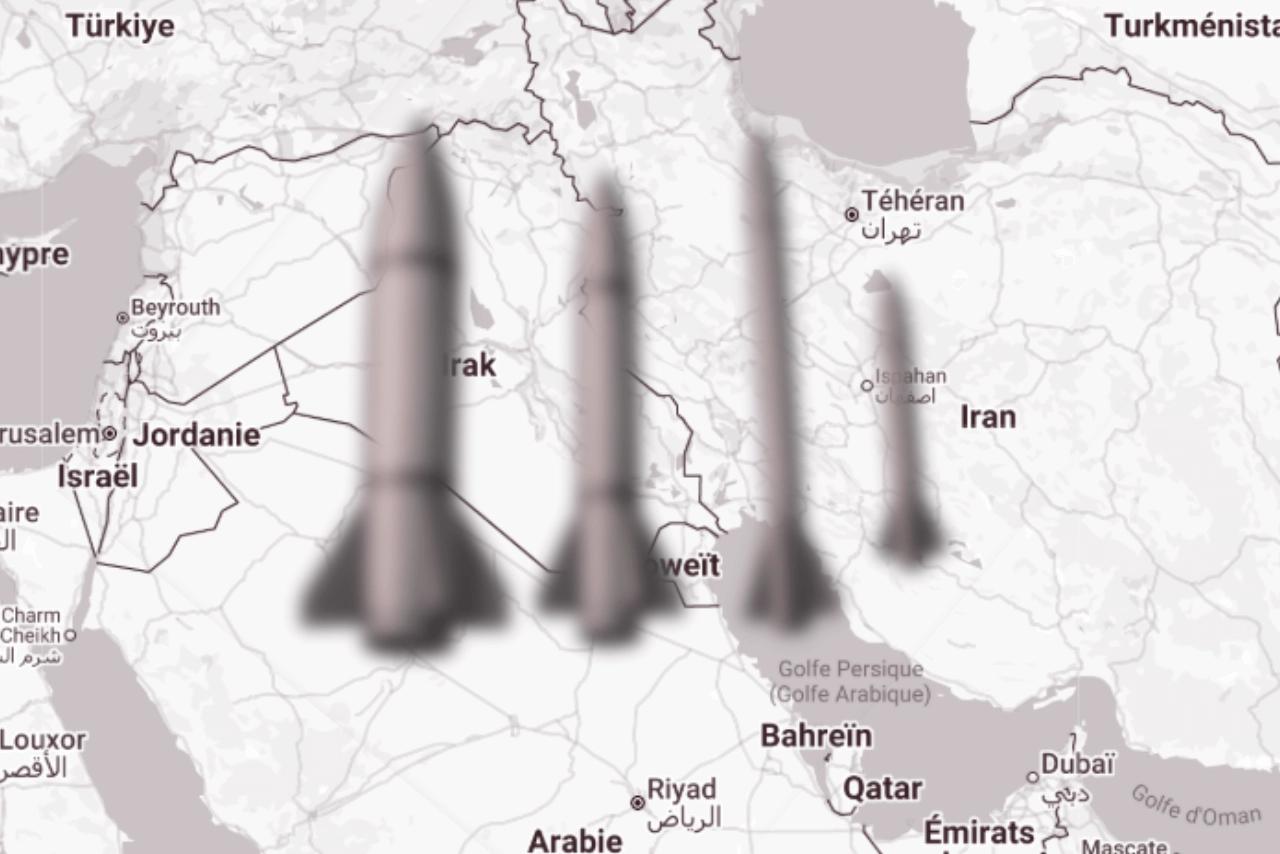
Conflict in the Middle East
Every morning before trading, I check the prices of a few assets.
On Friday morning, one look at Bitcoin told me something had happened overnight.
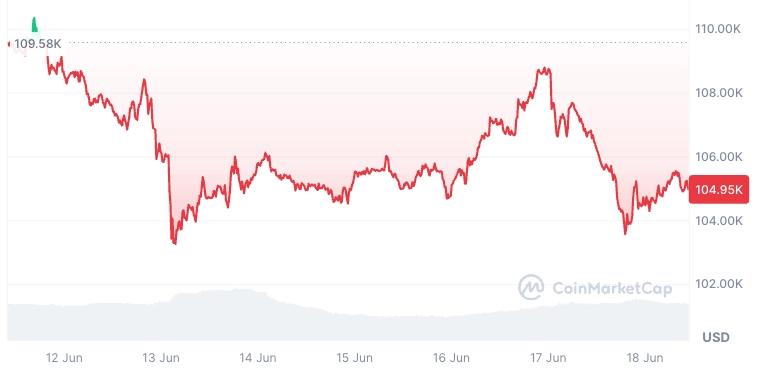
The news soon came through: Israel had launched strikes on Iran, prompting threats of a major retaliation.
Crypto, which I’ll remind you is a pretty good gauge of investor sentiment, fell sharply. A clear sign of uncertainty about this conflict.
And with good reason: investors fear a regional escalation, or even a global one.
Sure enough, a few days later, the United States and several European countries said they were willing to enter the conflict if things got worse.
Oil prices
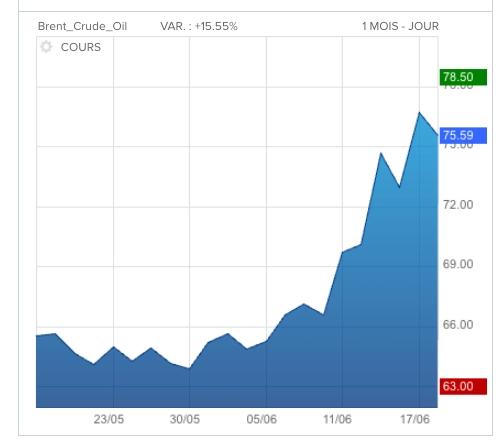
One interesting thing to watch: whenever oil-producing countries or their neighbours are involved in tensions like these, fears about production and supply push prices up.
Brent is currently around $76 a barrel, up nearly 4% this week.
What happens now?
Markets and investors are on high alert.
Nobody knows how far this conflict could go, so everyone is staying defensive.
On the crypto side:
- Bitcoin remains heavily influenced by the geopolitical situation
- The slightest alert sends prices swinging
- The bull run is slowing, but that doesn’t mean it’s over
On the macro side:
- Gold remains in demand as a safe haven
- Middle East tensions are fuelling fears of an energy shock, pushing oil prices higher
- US rates remain high, and the Fed doesn’t want to cut them
In my view, until the Israel-Iran conflict is contained, and without positive news on inflation or monetary policy, it’s hard to see crypto staging a solid rebound in the short term.