
What is copy trading?
Copy trading means copying another trader's trades or signals directly through a trading platform such as AvaTrade, Binance or MEXC.
You don't need to analyse markets or charts. The platform copies the trader's transactions for you.
Everything is automated.
If a platform doesn't offer automated copy trading, you'll have to manually copy signals the trader shares through channels such as Telegram, Discord or Instagram.
How does copy trading work?
You choose a trader to follow, and each move they make in the market is replicated in your account.
The idea is to benefit from an experienced trader's expertise without doing the work yourself.
Copying someone's trades while doing nothing and collecting the same profits sounds like a great deal for beginners, doesn't it?
No! It isn't as easy as it looks...
Several things that can work against you aren't obvious at first glance.
The traps of copy trading
Misleading statistics
Take a trader displaying these statistics on a platform:
- 90% winning trades
- €20,000 in profits
Those numbers look impressive and make the trades seem very attractive to copy.
At first glance, it looks like the perfect way to get rich, especially when the platform verifies those figures and lends the trader credibility.
But be careful. You need to dig deeper...
What you don't see, especially if you don't know how these platforms work, is that the statistics can be manipulated to attract your attention.
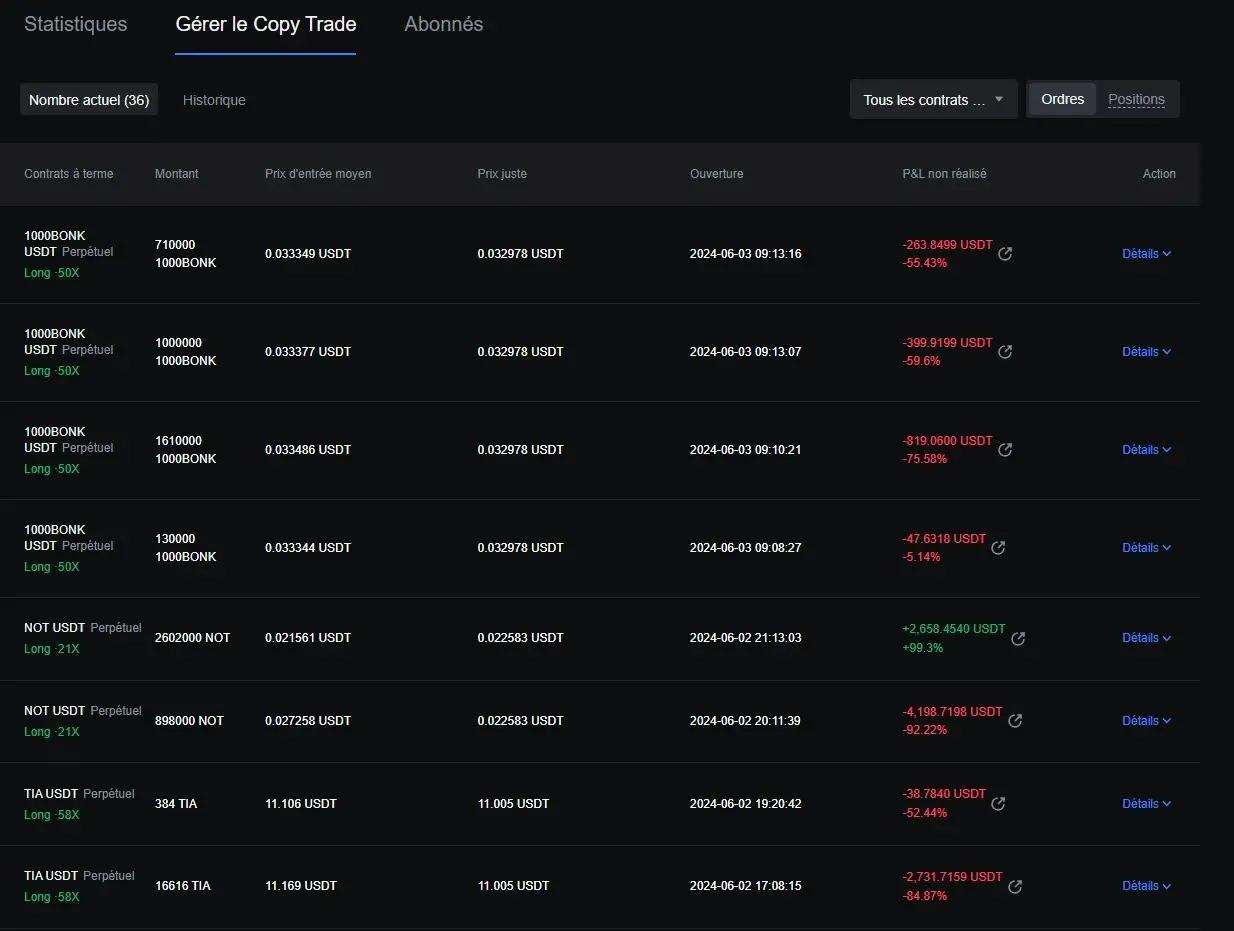
A trader can leave losing positions open and close only winners, hiding substantial potential losses.
Check for yourself: look at top copy traders showing unbelievable percentage returns, then check how many losing positions they haven't closed.
You might be surprised.
Hidden commissions
If it wasn't clear yet, traders offering their trades for copying aim to earn a commission every time you copy them.
That could benefit both the trader and the person copying them, but it rarely does.
The reason is simple: the trader's incentives aren't always aligned with your financial interests.
Plenty of scammers have seized on this approach to make money at your expense.
For more on trading traps, read my article on 7 BIG trading myths you should know about.
The advantages of copy trading
There aren't many, but some benefits are worth mentioning.
Saving time and money
One of the main benefits is saving time and money.
You don't need to spend hours analysing financial markets, following economic news or trying to predict market moves.
The trader you follow does it for you.
Learning by observing
Following an experienced trader can help you learn their strategies and techniques.
It's a way to develop trading knowledge and skills without the risks of learning through trial and error.
Provided you actually take the time to understand and study their approach!
Copy trading: scam or opportunity?
After reading about those traps, you might think copy trading is nothing but a scam.
That isn't necessarily true. Many traders offer the service honestly and transparently.
It can be a profitable way to generate extra income, but don't be naive. You need caution and judgement.
Following these seven tips and staying alert can improve your chances while limiting risk.
7 tips for choosing a trader to copy
Tip 1: Know the trader
The point of copy trading isn't for you to lose money or enrich someone else at your own expense.
Both sides should benefit.
That's why you need to ask yourself these questions and answer honestly:
- Do you know the trader?
- Are they as experienced as they claim?
- Have you ever watched them trade live, on a stream for example?
- Are they just showing you the lifestyle of a profitable trader, or do they actually trade?

Dubai, Lamborghinis, designer clothes, trading screens and profit screenshots, but you never see them actually trade? Be careful.
Tip 2: A credible win rate
A trader with a 97% win rate probably isn't being honest.
I'd confidently say they aren't telling the truth and aren't really trading.
That success rate is too good to be true. An honest trader will have a reasonable win rate and close positions transparently.
Tip 3: Total number of trades
An 80% win rate is easy over 5 trades. It's much harder over 200.
The more trades, the more reliable the statistics. A small sample can make a win rate misleading.
A trader with a substantial track record is generally more trustworthy because their performance is based on more data.
Tip 4: The trader's capital
A large amount of capital often suggests a more serious approach.
A trader committing a lot of money is likely to be more cautious and deliberate.
A small account, on the other hand, may indicate greater risk-taking and less long-term reliability.
Choose a trader whose capital and approach fit your risk tolerance.
Tip 5: Realistic gains
Compare profits with the starting capital. Promises of excessive returns often hide substantial risks.
A good trader should show realistic gains proportionate to their initial capital.
Be wary of returns that look too good to be true.
Tip 6: Transparent performance
Make sure the trader is transparent about past and current performance.
A trustworthy trader should be able to provide evidence of both successes and failures.
Transparency is a major sign of honesty and reliability.
Tip 7: Your own analysis
Don't rely only on statistics. Choosing a good trader to copy takes attention and analysis.
Do your own research. Observe the trader, their strategies and their method.
Don't follow recommendations blindly. Take the time to understand why the trader acts the way they do.
